whisky regions of scotland
Home

The Whisky Regions of Scotland

Understanding Scotland’s whisky regions isn’t just about knowing where a bottle comes from — it’s the easiest way to find a style you’ll genuinely enjoy, whether you prefer something smooth and fruity or bold and smoky.

Scotland is home to more than 100 distilleries producing whisky that ranges in flavour from oily and peppery to delicate and floral. They are all made using the same underlying processes of fermentation, distillation, and maturation. So how can they taste so different? Where they are made is a big clue. Like fine wines, whiskies vary according to the scotch region.

These differences are defined across the six types of Scotch whisky regions, each offering distinct styles and flavour profiles: Campbeltown, Highlands, Lowlands, Islay, Speyside and The Islands. These whisky regions cover different areas of Scotland and vary in size. They also produce different types of whisky, all with unique characteristics and in part, this is due to the landscapes of the regions and the water sources that the distilleries use. For instance, Speyside, where The Glenlivet is crafted, is served by the beautiful River Spey.

And if you’re wondering ‘are all scotches made in Scotland?’ the answer is yes. Whilst Scotch production isn’t confined to the five whisky regions of the country (although they are most well-known for their scotches), for a whisky to be classed as a scotch it has to be distilled and aged on Scottish soil.

So, if you’re heading to Scotland on a whisky tasting voyage or you simply want to know more about The Glenlivet region of Scotland and the home of our smooth scotch whisky, this guide to the six whisky regions in Scotland is sure to come in handy.

Whisky regions at a glance

  • Speyside – smooth, fruity, rich and approachable
  • Highlands – robust, full-flavoured, varied
  • Lowlands – light, floral, easy-drinking
  • Islay – smoky, peaty, intense
  • Campbeltown – full-bodied, coastal, distinctive ‘funk’
  • Islands – diverse, maritime, balanced

Speyside

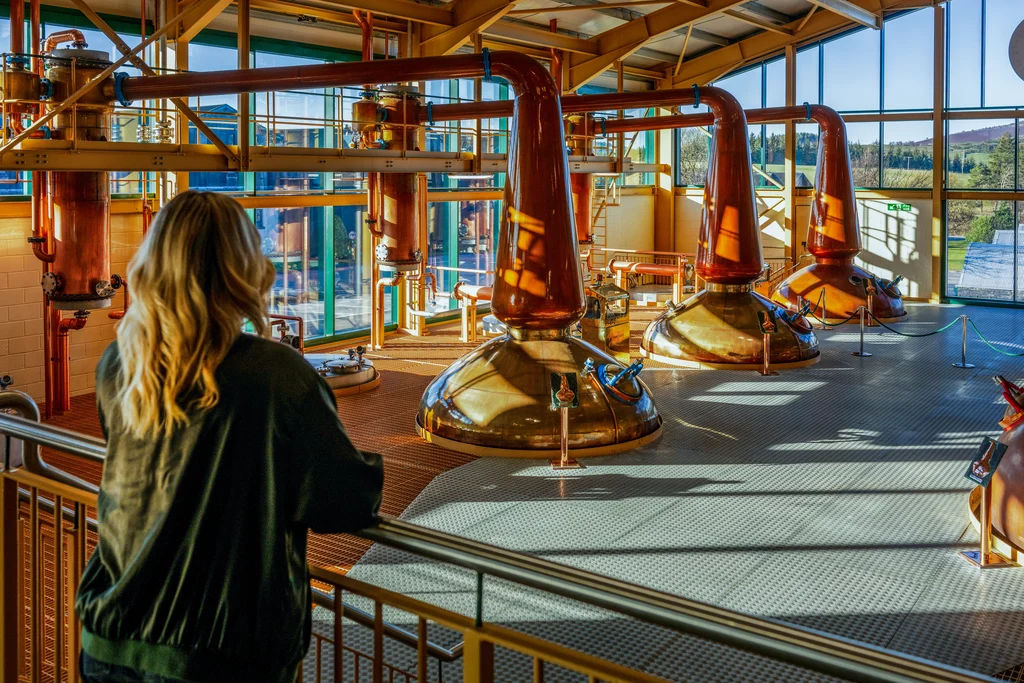
As The Glenlivet region of Scotland, we think Speyside is the most beautiful part of the country. It’s certainly the most conducive to producing whisky.

Our founder, George Smith, was the first licensed distiller to make whisky in Speyside in 1824, and now more than half of Scotland’s distilleries are based here. And who wouldn’t want to be? Speyside is all rolling hills and pine forest, with distilleries clustering loosely along the salmon-rich, crystal-clear waters of the River Spey. Plus, it’s known as one of the best single malt regions in the world.

Whiskies here tend to be rich, fruity, and floral, but some are light, sweet and youthful, and others are well sherried and thick.

Over the decades, single malts at The Glenlivet and most other Speyside whiskies have slowly evolved from being more robust and peaty to being sweeter and lighter. That’s how all our tastes have changed.

There are plenty of things to do in Speyside, so if you do decide to visit The Glenlivet distillery, we’d recommend staying for a few days so that you can enjoy sampling plenty of whiskies as well as all that the region has to offer, from stunning scenery to historical buildings.

Speyside whisky characteristics

While there are variations between distilleries, Speyside whiskies are renowned for being soft, sweet and fruit-forward. Some other Speyside scotch characteristics include:

  • A delicate and elegant balance of flavours
  • Light to medium-bodied flavour profiles
  • Fruity and floral notes with hints of apple, pear, sultanas, peach and plum
  • Sweet notes resembling honey, vanilla and caramel
  • Often aged in sherry casks, adding richness and depth, and imparting red wine characteristics
  • Minimal to no peat smoke
  • Smooth texture and taste
  • Being highly accessible for whisky beginners and connoisseurs alike

Highlands

Scotland’s biggest region, stretching from the northwest of Glasgow up to the northern islands, features towering peaks, gentle glens, lochs, and coastal scenery. The large number of distilleries here produce a variety of styles, but overall, when it comes to Highlands vs Speyside, the whiskies tend to be more robust, spicy and intense here.

The big flavours in Highland whiskies are a matter of tradition. Distilleries in other parts of Scotland, notably the Lowlands region, had access to plenty of barley and so developed big, tall stills that could produce large volumes of spirit. But in the Highlands, barley was scarce, so distilleries here only required smaller stills. Smaller stills allow oilier, heavier alcohols to move into the neck of the still and condense. These make the resulting whisky richer and more obviously flavoured.

Whiskies from areas within the Highlands region share further characteristics. Northern Highland whiskies are often full, rich, and cereal sweet, while those from the south are usually slightly lighter, drier and fruitier. Eastern Highland whiskies are full, dry, and very fruity, while the full and pungent whiskies from the west tend to be reminiscent of Islay varieties with their peat and smoke. A diverse bunch, indeed.

Highland scotch characteristics

Due to the size of this scotch region and the variety of microclimates it hosts, whiskies from this area can be diverse in their profiles. That being said, the characteristics of highland whisky encompass:  

  • Bold and robust expressions with a wide range of flavour profiles
  • Spicy, peaty, and full-bodied varieties in the west
  • Sweeter, fruitier, and lighter varieties in the south and east
  • A substantial mouthfeel
  • Sea-inspired notes, especially varieties produced in the northern and western highlands
  • Scotch varieties for all palate types

Lowlands

The Lowlands Scotch whisky region is in southernmost part of Scotland, close to the cities of Edinburgh and Glasgow. This makes it an easy region for whisky fans to take a trip to. Much of this region is situated within the basins of the River Clyde and the River Forth. The area is fairly flat, and formed of sedimentary rocks like sandstones and clay, but this means that vast greenery can be seen for miles.

Unlike in Speyside, there are only a few distilleries still working in the Scottish Lowlands region. Known more for its farming, the land here is wide and fertile, with vast fields ideal for cultivation bordered by low hills and patches of trees. Most Scottish distilleries, including The Glenlivet, double distil their whiskies. But in the Lowlands, whisky is traditionally triple distilled. This makes Lowland whiskies close in style to Irish whiskeys. The tall stills and lack of peat make for a lighter, more floral spirit. As they are usually quite mellow, they make a good aperitif.

Lowland scotch characteristics

Whiskies from the Lowlands are typically known for their gentle, soft and elegant profiles. This is, in part, because of the triple distillation process used in this region. Key characteristics of lowland whisky include:

  • Light, delicate, and floral expressions
  • Soft grassy, cereal, hay and citrusy flavours
  • Subtle sweetness with notes such as cream, honeysuckle, cinnamon, toast, ginger, vanilla, light caramel and coffee
  • A smooth, mild profile and mouthfeel
  • Minimal peat usage
  • A crisp, refreshing finish
  • Being popular for newcomers to Scotch whisky

Islay

Say the word “Islay” to most whisky aficionados and you’ll hear “peat” in response. This small island in the Inner Hebrides is flat and consists mainly of peat, which the distilleries use as fuel for malting barley. This adds a strong smoky, peaty flavour to the whisky, very different from most Speyside whiskies. The island is also lashed by sea winds and rain, and this has an impact on its whisky, too, in salty, seaweedy flavours.

Islay whiskies are known for being the strongest flavoured of all Scotch whiskies. It’s good to remember, though, that only half of the distilleries on Islay make peated whisky. Indeed, many of the locals drink unpeated or very lightly peated whisky. In the north of the island, you’ll find plenty of fruit and refinement – in the whisky and the locals.

Islay scotch characteristics

Known for the influence of peat and the sea, many Islay whiskies are pungent, smoky and salty. However, there are variations, and not all expressions have such dominant profiles. Characteristics of Islay whiskies include:

  • Heavily peated, smoky, and often medicinal flavours
  • Briny, coastal flavours from sea air and salt spray
  • Dry and bold profiles with notes of seaweed, iodine, and spice
  • Some unpeated styles, which are available from northern distilleries
  • Being best for experienced whisky drinkers or those seeking intensity

Campbeltown

A scant few distilleries still operate in Campbeltown, which lies near the end of the Mull of Kintyre peninsula on the west coast. The whiskies here are very distinctive from Speyside and other regional Scotches.

The whiskies are full-bodied, with a depth of flavour and a slightly salty finish from the sea air making its way through the casks. The lack of trees on the Mull of Kintyre means they rely on peat, so smoky, vegetal flavours are also conspicuous.

Campbeltown whisky characteristics

Scotch from Campbeltown distilleries is certainly different from whiskies produced in other regions. It has multiple influences, from the coast spray to the artisanal processes that are still carried out by hand. Key characteristics of Campbeltown scotches include:

  • A briny taste with maritime influences
  • Smoky, vegetal notes from peat usage
  • Notes of toffee, vanilla, berries, dried fruit, and citrus
  • A ‘funk’ described as blue cheese, farmyard or must that sets them apart from whiskies from other regions
  • A rich mouthfeel, sometimes labelled as creamy or oily
  • Unique and bold expressions, often appealing to seasoned whisky fans

The Islands

While Scotland officially recognises five whisky regions, the term The Islands is often used to describe distilleries located on Scotland’s islands excluding Islay. Although island distilleries are technically classified as part of the Highlands region, their whiskies are frequently discussed separately due to their distinctive coastal environments and wide-ranging styles.

The Islands include distilleries from Skye, Orkney, Mull, Jura and Arran, among others. Surrounded by the sea and exposed to harsh weather conditions, these islands often impart subtle maritime influences on the whisky, such as salinity, minerality and a fresh coastal character. Geography, climate and local production choices all play a role in shaping each island’s style.

Islands scotch characteristics

Influenced by coastal climates and varied landscapes, Island whiskies display a broad spectrum of styles rather than a single defining profile. Common characteristics of Island whiskies include:

  • Maritime notes such as salinity, mineral tones and a gentle sea-breeze freshness
  • A wide range of peat levels, from lightly smoky to unpeated expressions
  • Balanced profiles combining sweetness, spice and subtle fruit
  • Medium to full-bodied whiskies with structure and complexity
  • Styles that bridge the gap between the richness of the Highlands and the intensity of Islay


Whether you’re exploring whisky for the first time or refining your palate, Scotland’s regions offer a map to discovering styles that suit you best – and a deeper appreciation for how place shapes flavour. But even with all these varieties across Scotland, there’s still only one place you can find the one that started it all: Glenlivet, Speyside. Home of The Glenlivet.

Want to learn more about Scotland and whisky? Discover our guide to Scottish food and drink. If you’re looking for more hands-on discovery, our whisky cocktail recipes and cooking with whisky guide will help you enjoy The Glenlivet any time.